
Evaluating the Accuracy of ANPR/LPR Technology in Real Parking Environments
Introduction to ANPR/LPR Technology Automatic Number Plate Recognition (ANPR) and [...]
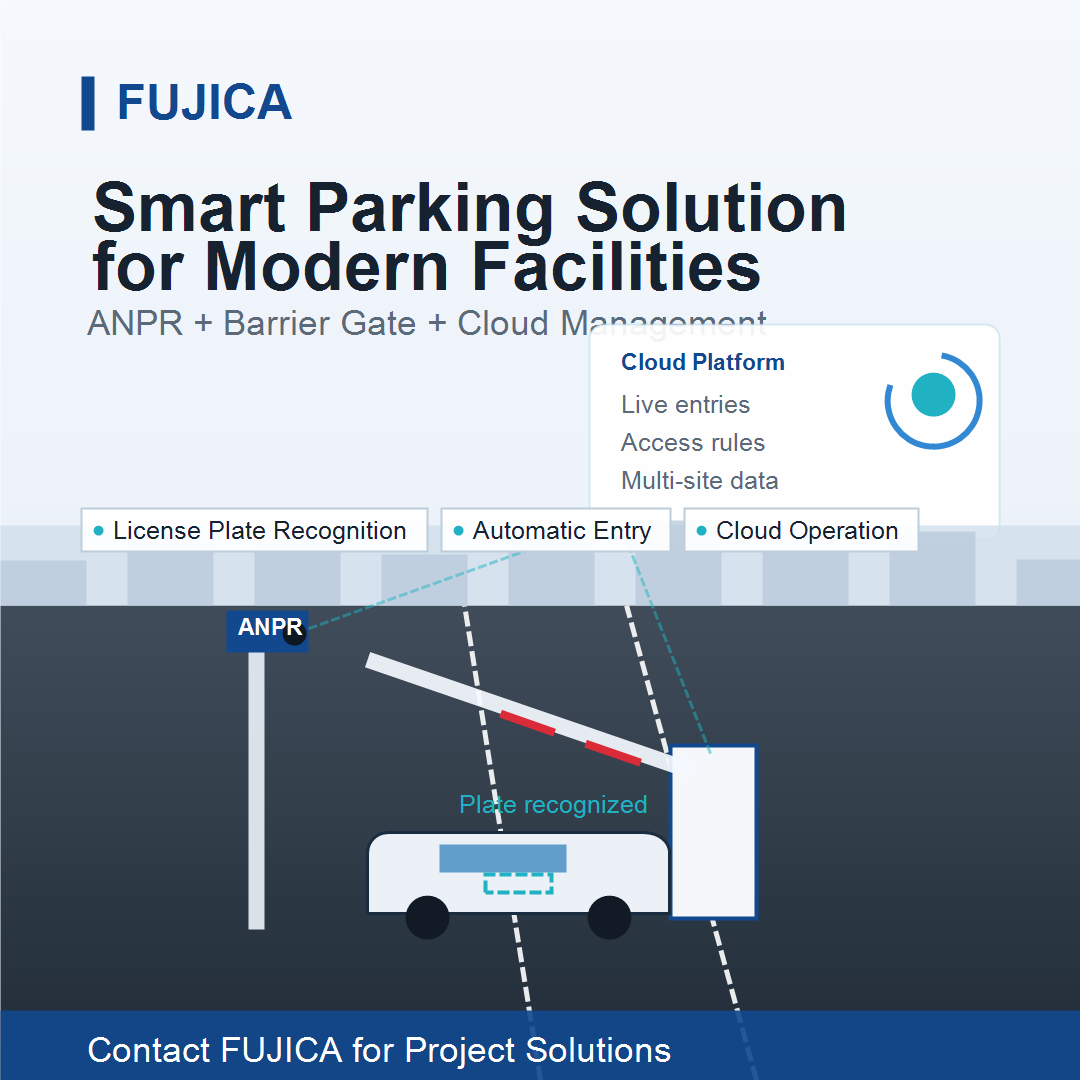
Introduction to ANPR/LPR Technology
Automatic Number Plate Recognition (ANPR) and License Plate Recognition (LPR) technologies have become integral components of modern parking management systems. These sophisticated systems are designed to automatically read, process, and analyze vehicle license plates, allowing for enhanced efficiency in parking operations and enforcement.
At the core of ANPR/LPR technology is an intricate combination of hardware and software. The primary hardware consists of high-resolution cameras strategically positioned to capture images of incoming and outgoing vehicles. Once the cameras capture the images, specialized software utilizes optical character recognition (OCR) algorithms to identify and extract the alphanumeric characters displayed on the vehicle’s license plates. This process requires high levels of accuracy and speed, as data processing needs to occur in real-time to effectively manage vehicle flow in parking areas.
The applications of ANPR and LPR systems are vast and varied, extending beyond simple parking management. These technologies are employed for traffic management, toll collection, and ensuring security in sensitive areas. In the context of parking management, ANPR/LPR systems can facilitate automatic payment processing, improve compliance with parking regulations, and provide essential data analytics for operational insights. Moreover, these technologies can enhance user experience by enabling automatic entry and exit, thereby reducing wait times and increasing overall satisfaction.
In summary, ANPR and LPR technologies represent a significant advancement in the way parking facilities operate. By automating the license plate recognition process, these systems contribute to streamlined operations and enhanced security, making them invaluable tools for parking project owners, system integrators, and distributors alike.
Factors Influencing ANPR/LPR Accuracy
Automatic Number Plate Recognition (ANPR) and License Plate Recognition (LPR) technologies rely on multiple factors that can significantly influence their performance in real-world parking environments. One primary factor is the positioning of the cameras. Proper alignment and height are crucial; if the camera is installed too low or at an incorrect angle, it may fail to capture the full license plate or could introduce image distortions.
Lighting conditions also play a vital role in the accuracy of ANPR/LPR systems. Optimal lighting minimizes glare and shadows, which can obscure the license plate. Poorly lit parking areas can adversely affect recognition accuracy, leading to misreads or missed detections altogether. Furthermore, the weather can introduce additional challenges; rain, fog, or snow may obscure license plates, resulting in a significant decrease in the recognition capability of these systems.
Another essential factor is the physical condition of the license plates themselves. Plates that are dirty, damaged, or obscured (for example, by a bumper sticker) can severely hinder the system’s ability to accurately read the characters. Similarly, the speed of vehicles entering or exiting a parking facility affects the capture rate; at high speeds, there is less time for the camera to process the image effectively.
Camera installation angles can also affect the performance. If cameras are installed at unconventional angles, they may struggle to capture clear images, thus affecting accuracy. Furthermore, the layout of parking entrances and exits should be thoughtfully designed to facilitate the smooth capture of license plates as vehicles pass through.
Finally, the software configuration of the ANPR/LPR systems plays a crucial role in their effectiveness. Regular software updates and adjustments based on real-time performance data can significantly enhance the system’s recognition rates, further optimizing overall functionality within the parking environment.
Best Practices for Optimizing ANPR/LPR Setup
Implementing an effective Automatic Number Plate Recognition (ANPR) or License Plate Recognition (LPR) system in parking environments necessitates a strategic approach tailored to the specific characteristics of the site. One of the first steps in optimizing ANPR/LPR setup involves thorough planning of camera placement. Cameras should be installed at optimal angles to ensure that they capture clear, unobstructed images of vehicle plates. This method not only increases the probability of accurate recognition but also minimizes the likelihood of image distortion caused by shadows or reflections.
Additionally, careful consideration of lighting conditions is crucial. Insufficient lighting can adversely affect the accuracy of the ANPR/LPR system, resulting in misreads or missed plates altogether. Therefore, adequate illumination should be integrated into the setup, particularly in shaded or poorly lit areas. Utilizing infrared lighting can also enhance recognition capabilities at night, ensuring that the system performs consistently regardless of the time of day.
Software configuration is another vital aspect that demands attention. The parameters within the ANPR/LPR software should be adjusted based on local conditions and the types of vehicles likely to use the parking facility. This customization may include tuning recognition algorithms to recognize regional license plate formats or adjusting sensitivity settings to filter out false readings.
Moreover, considerations for integrating the ANPR/LPR system with barrier gates and traffic flow management tools can significantly enhance operational efficiency. Establishing seamless communication between these systems allows for quicker response times at entry and exit points, thus improving overall traffic flow and user experience. By adhering to these best practices, parking facility managers can optimize their ANPR/LPR setups and thereby enhance equity in processing and monitoring vehicles across varied environments.
Collaboration and Support in ANPR/LPR Projects
The successful implementation of Automated Number Plate Recognition (ANPR) and License Plate Recognition (LPR) technologies greatly relies on effective collaboration among all stakeholders involved. Project execution benefits significantly from the partnerships formed between technology providers, system integrators, distributors, and end-users. Early engagement in these collaborative efforts not only facilitates the sharing of insights but also ensures that each team’s expertise is leveraged throughout the project’s lifecycle.
Addressing potential installation challenges prior to the commencement of an ANPR/LPR project can reduce delays and unforeseen costs. By fostering open lines of communication and encouraging consultations from the outset, stakeholders can align their objectives and expectations. This proactive approach is vital, as it ensures that any logistical or technical issues are resolved before they escalate into costly setbacks. Moreover, the collaborative framework allows parties to innovate and adapt solutions that align with the specific requirements of the parking environment.
Fujica exemplifies the role of a supportive partner in such projects. The company actively engages with its partners by analyzing the conditions of each project site, offering insights that aid in developing tailored solutions. Such a method promotes not only efficiency and efficacy but also encourages partners to consider alternative strategies that fit their unique needs. The value of having a knowledgeable partner like Fujica cannot be overstated when it comes to navigating the complexities of ANPR and LPR technology installations.
Cultivating strong partnerships and continuously sharing knowledge can significantly enhance the overall delivery of ANPR/LPR projects. As stakeholders collaborate effectively, they can create solutions that not only meet but exceed the demands of modern parking environments. This collaborative spirit serves as an encouragement for readers aiming to implement their own ANPR/LPR setups, as it highlights the benefits of seeking guidance and support throughout the process.