Unattended Parking Systems: Full Automation vs. Hybrid Operation
Unattended Parking Systems: Where Full Automation Makes Sense — And Where It Doesn’t
Not every parking facility should go fully unattended. Some shouldn’t go unattended at all.
That’s not the message you usually hear when parking automation comes up. But it’s closer to how operators actually decide between an automated parking system and a hybrid setup once they look past the buzzwords.
How Parking Operations Have Shifted Toward Automation
Parking operations have been changing for years — not overnight, but step by step. A person at the booth gave way to self-service payment. Cash gave way to cashless transactions. Now license plate recognition (LPR) handles entry and exit without anyone touching a ticket.
Each step removed a repetitive task. None of them removed the need for people entirely.
That distinction matters, because it changes what “unattended parking” actually means.
What an Unattended Parking System Actually Replaces
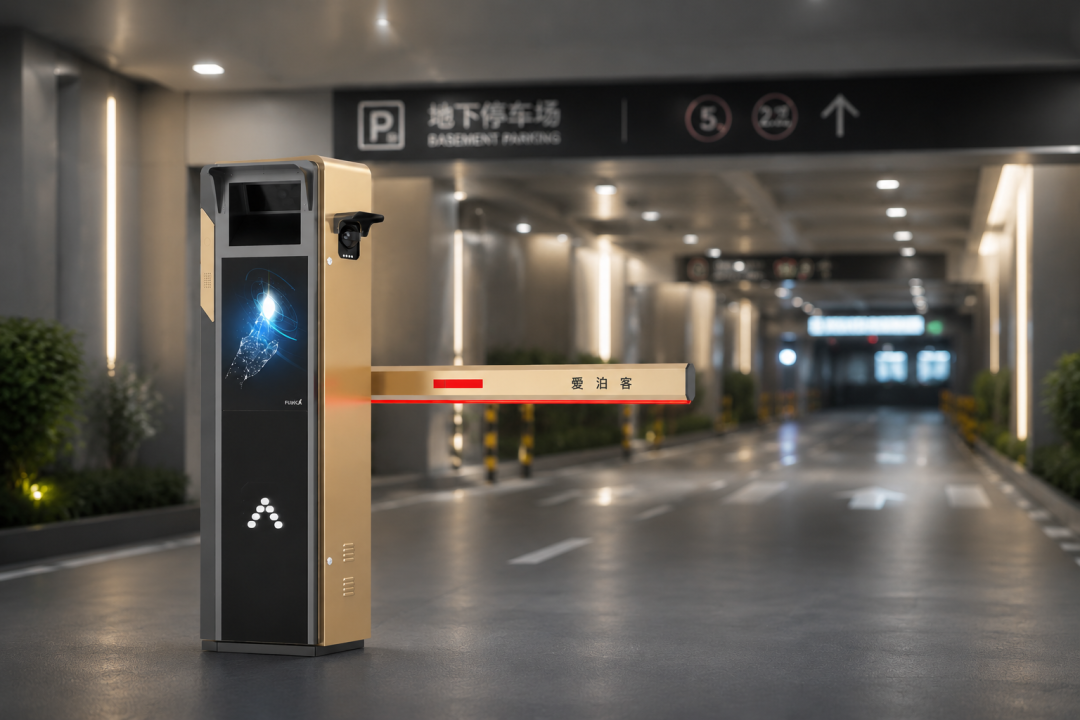
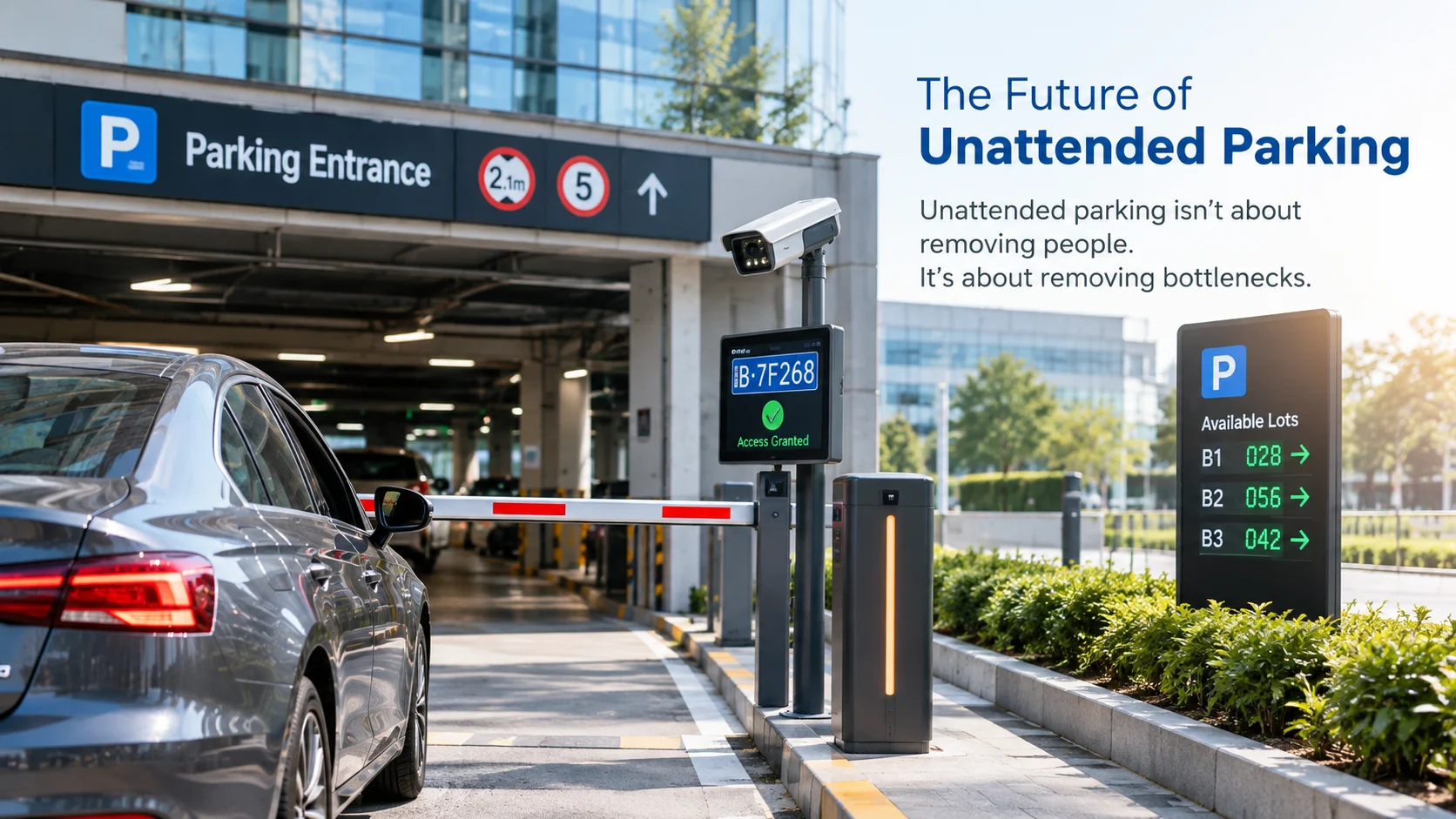
An unattended parking system isn’t about having zero people on site. It’s about removing the manual steps that don’t need a human — checking a ticket, processing a cash payment, manually raising a barrier — so the people who are there can focus on things that need judgment: a car stuck at the gate, a dispute at the pay station, a system flagging something unusual.
This is why remote parking monitoring is part of the model, not an add-on to it. Someone still needs to see what the cameras and sensors are seeing, and step in when a plate doesn’t match, a gate doesn’t open, or a driver is stuck at the exit lane. Automation handles the routine. People still handle the exceptions.
Full Automation vs. Hybrid Parking Operation: How to Choose
How much automation makes sense depends heavily on the site itself.
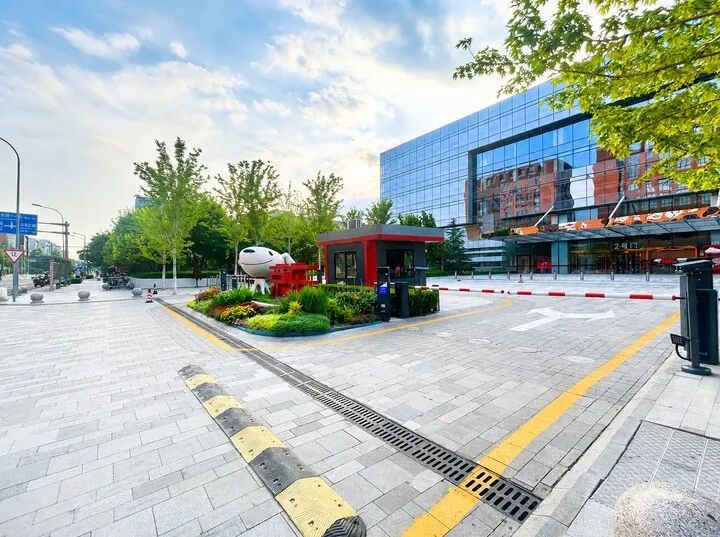
A small surface lot with steady, predictable traffic can often run close to fully automated, with minimal on-site presence and centralized remote monitoring covering the rest.
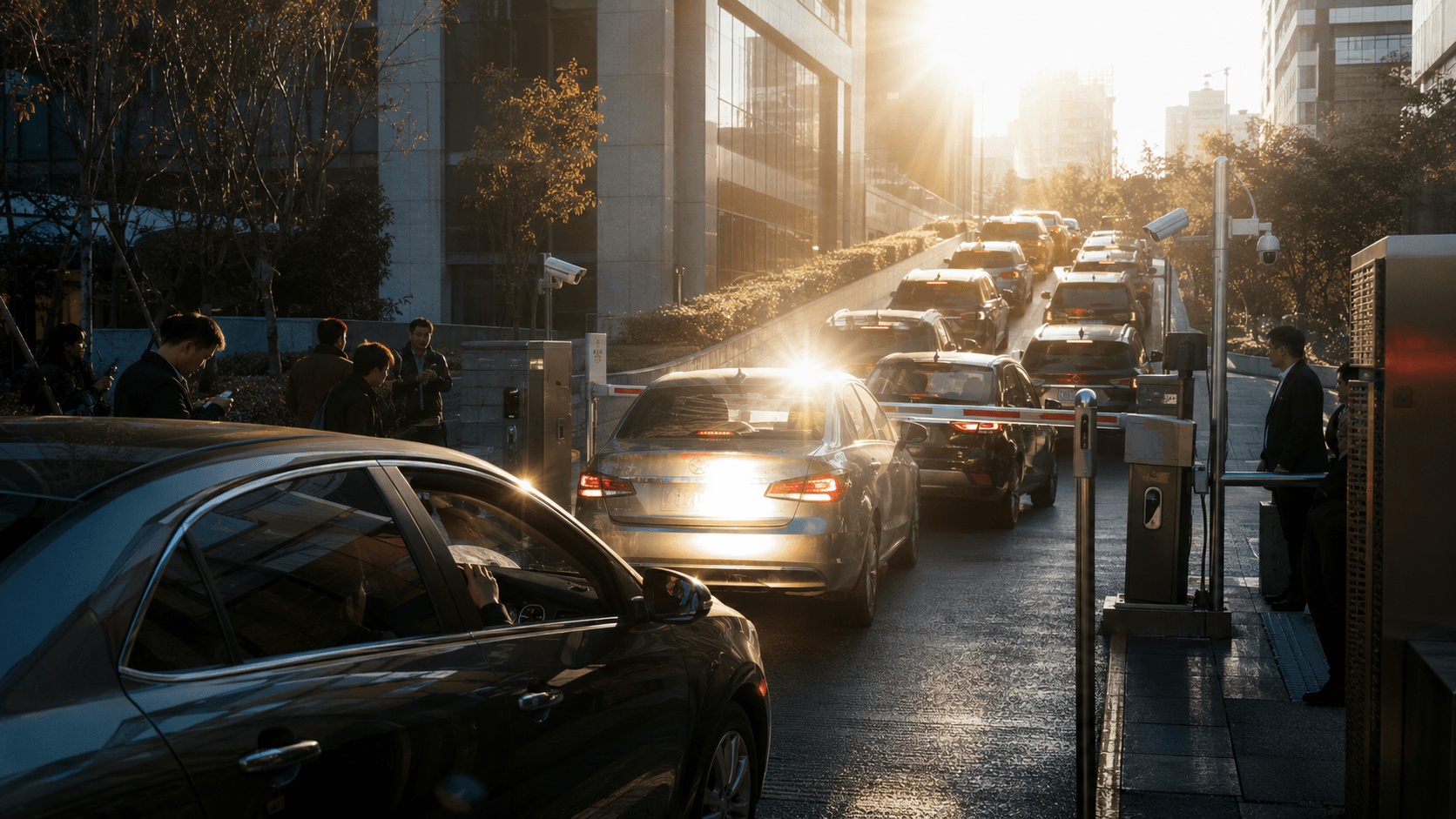
A large mixed-use garage — multiple entry points, high turnover, frequent edge cases like lost tickets or oversized vehicles — usually does better with a hybrid parking operation model: automated for routine flow, staffed for the situations automation alone can’t resolve cleanly.
Neither approach is inherently better. They solve different problems for different types of facilities.
Where FUJICA SYSTEM Fits
FUJICA SYSTEM works with operators across both models, building the automation and remote monitoring layer around what a specific site actually needs, rather than applying a fixed template regardless of scale or traffic pattern.2
Is Your Facility Ready for Unattended Parking?
The question worth asking isn’t whether your facility should go unattended. It’s which parts of your operation are already ready to be — and which ones still need a person watching closely.
What does that look like for your site today?

September 18, 2026