New Huanggang Port Officially Opens | fujicasystem’s B3 Ride-Hailing Smart Pickup System Powers Fast Travel Across the Greater Bay Area
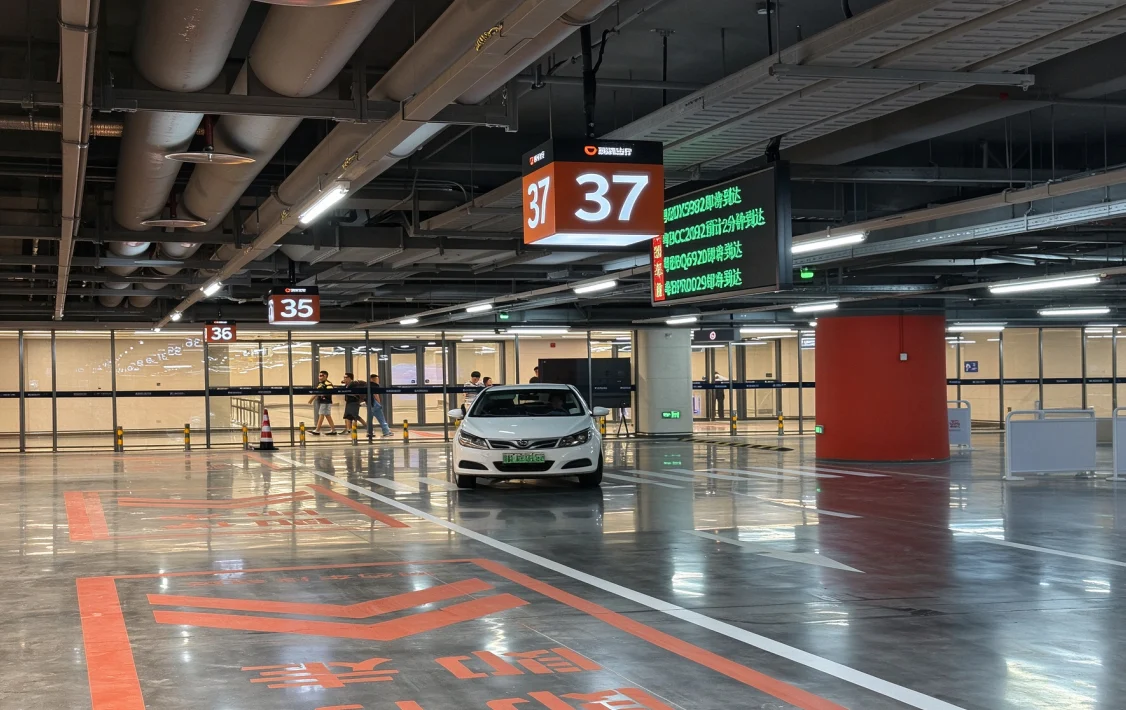
New Huanggang Port Officially Opens | fujicasystem’s B3 Ride-Hailing Smart Pickup System Powers Fast Travel Across the Greater Bay Area
At 6:30 a.m. on October 12, the Shenzhen Huanggang Port, after seven years of upgrades and reconstruction, officially reopened for operation. As the only large land port between Shenzhen and Hong Kong with 24-hour customs clearance, the new Huanggang Port adopts a “joint inspection, single release” model, cutting passenger clearance time from about 30 minutes to about 5 minutes. The underground B3-level smart pickup system for ride-hailing vehicles went into service at the same time. Now that clearance takes only 5 minutes, finding a ride after exiting no longer means matching pillar numbers and describing your location. The same dispatch logic handles it all.
01 | Level B3: A Dedicated Ride-Hailing Pickup Zone
According to CCTV, the new Huanggang Port was rebuilt on its original site, with a total floor area of 689,700 square meters across four underground and five above-ground levels. Cross-border vehicles, pedestrians, and urban connecting traffic are separated vertically, so that no traffic flows cross paths.
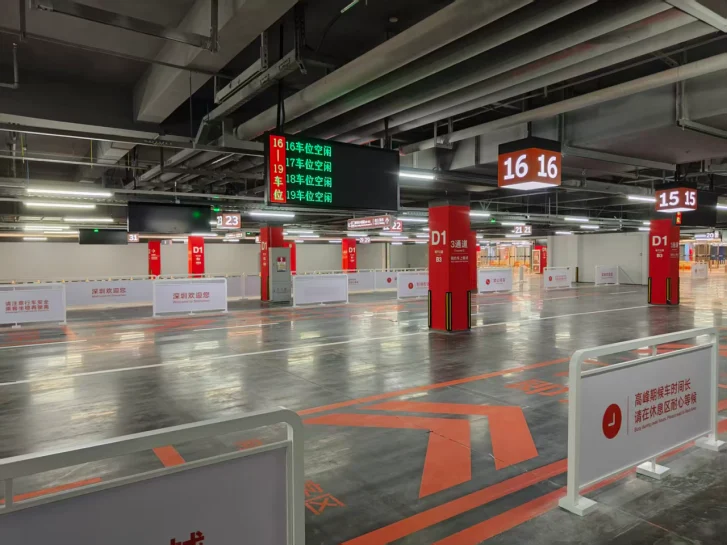
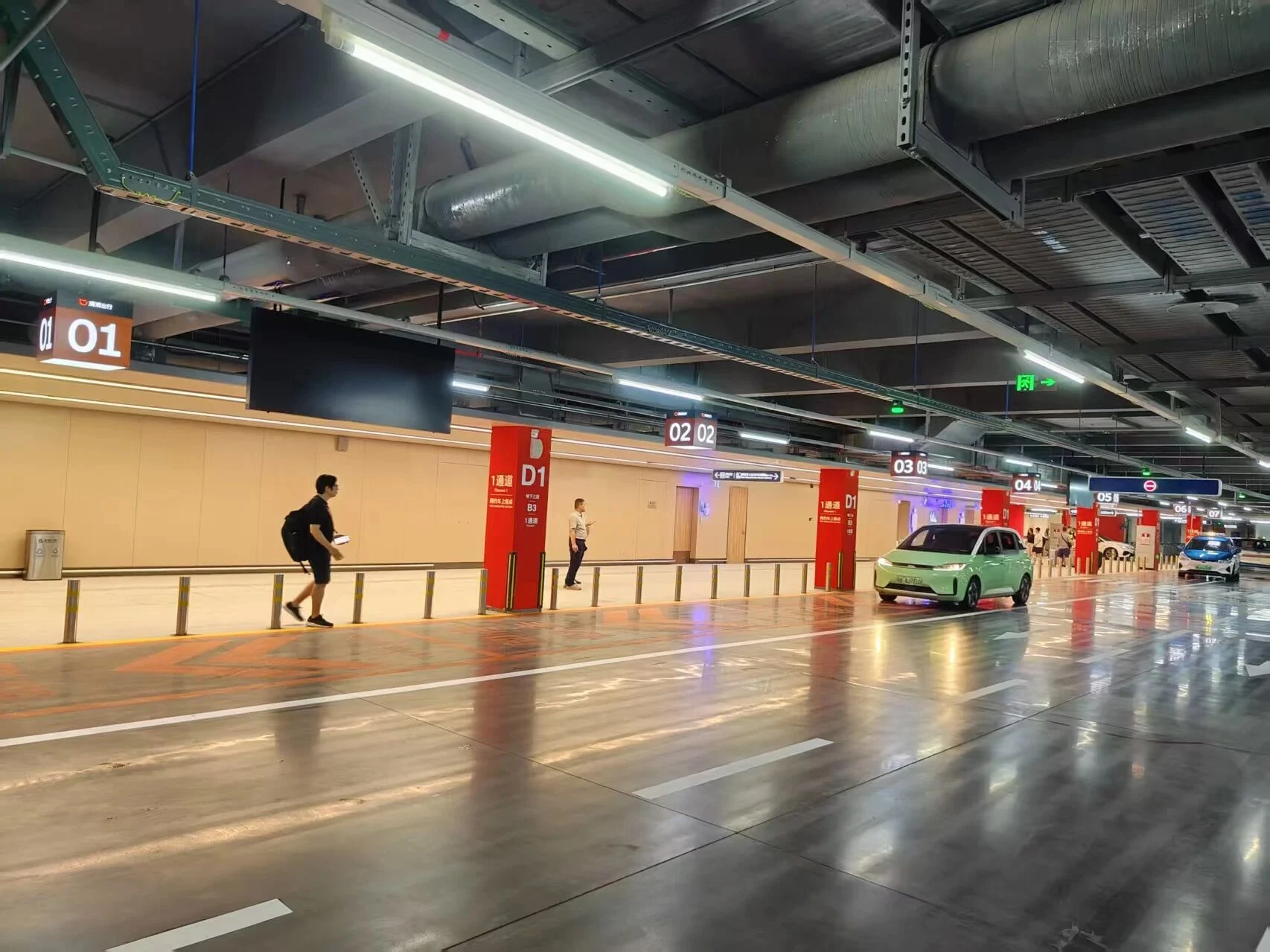
The dedicated ride-hailing pickup zone is located on underground Level B3, and the choice makes practical sense. It doesn’t compete with ground-level foot traffic for space, and passengers can reach it by going straight down after exiting. The zone is equipped with vehicle management and passenger guidance systems, giving waiting and boarding their own designated areas so the two never interfere with each other.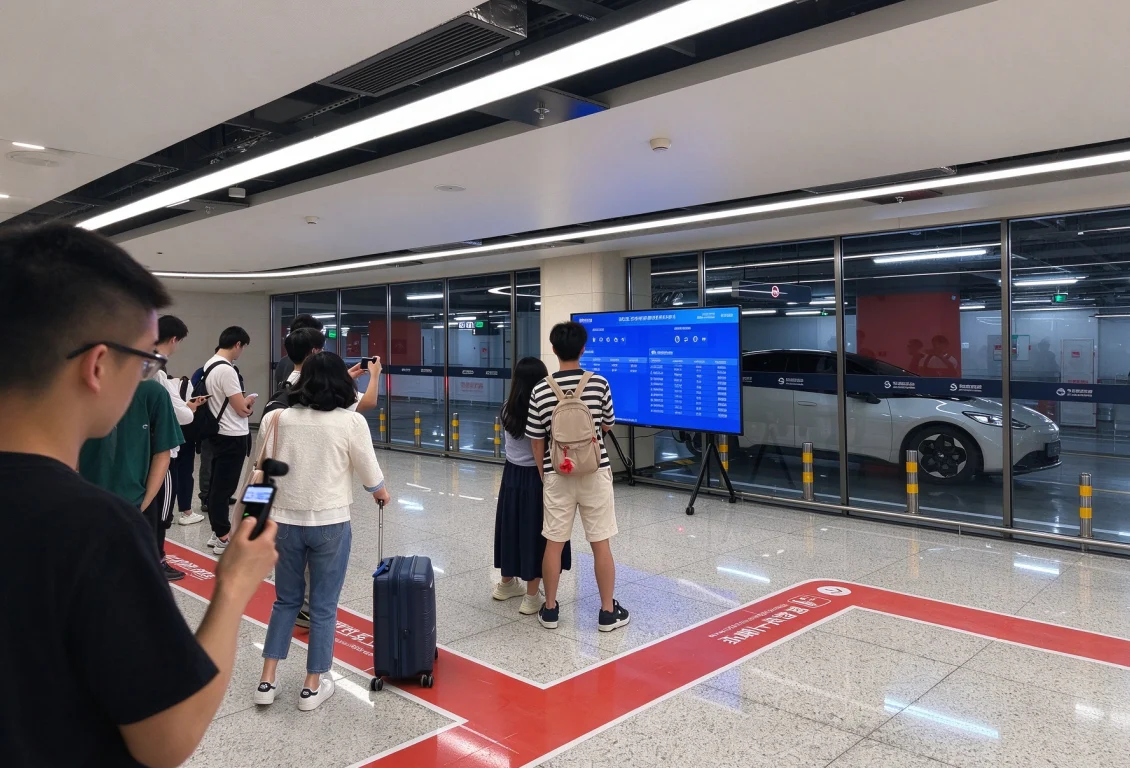
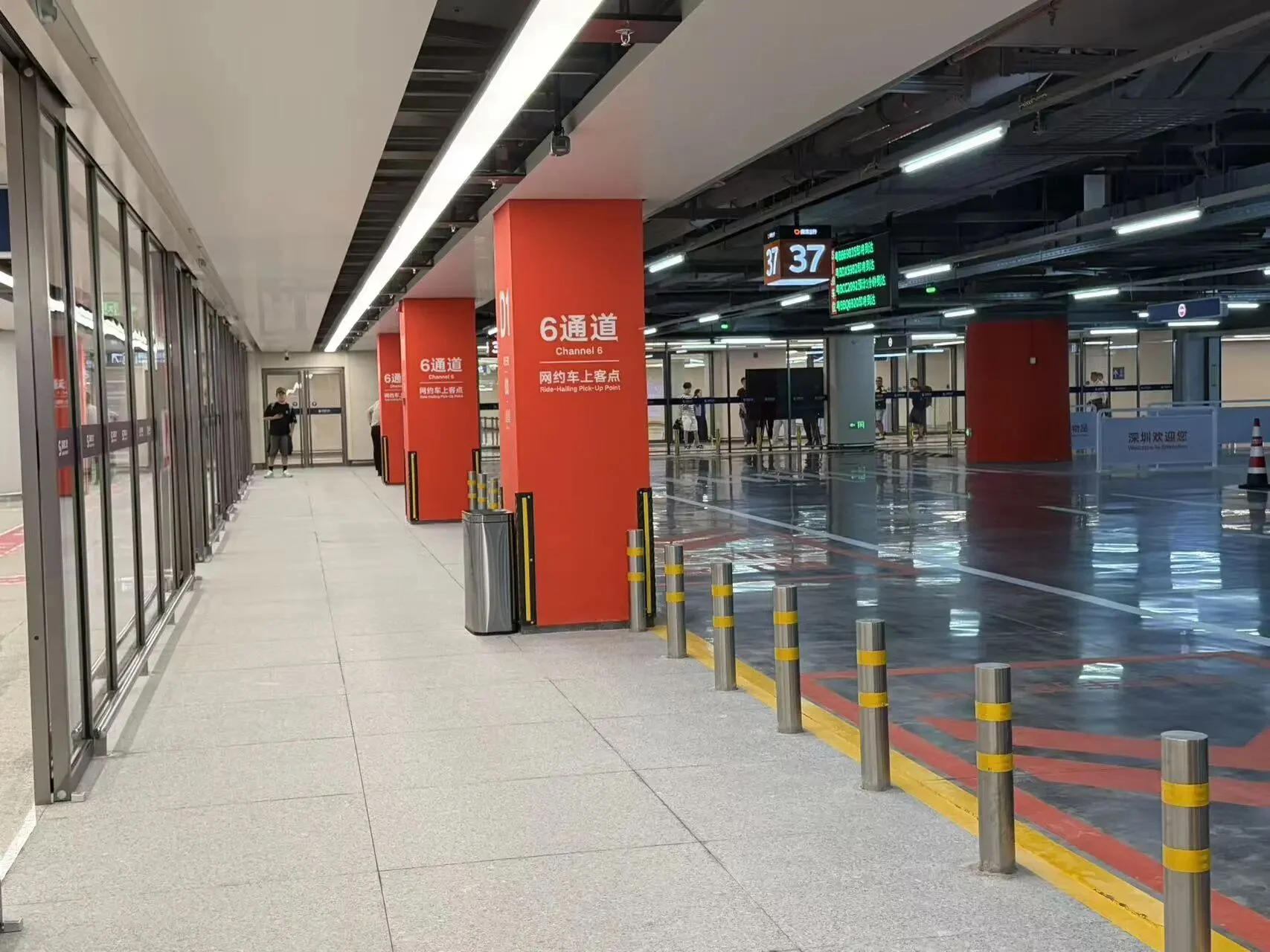
02 | One Pickup, Start to Finish
Here is how a single pickup unfolds from the passenger’s point of view.
After exiting, the passenger goes to the designated area on Level B3 and places an order using their location, with no need to explain over the phone that they’re “next to such-and-such pillar.”
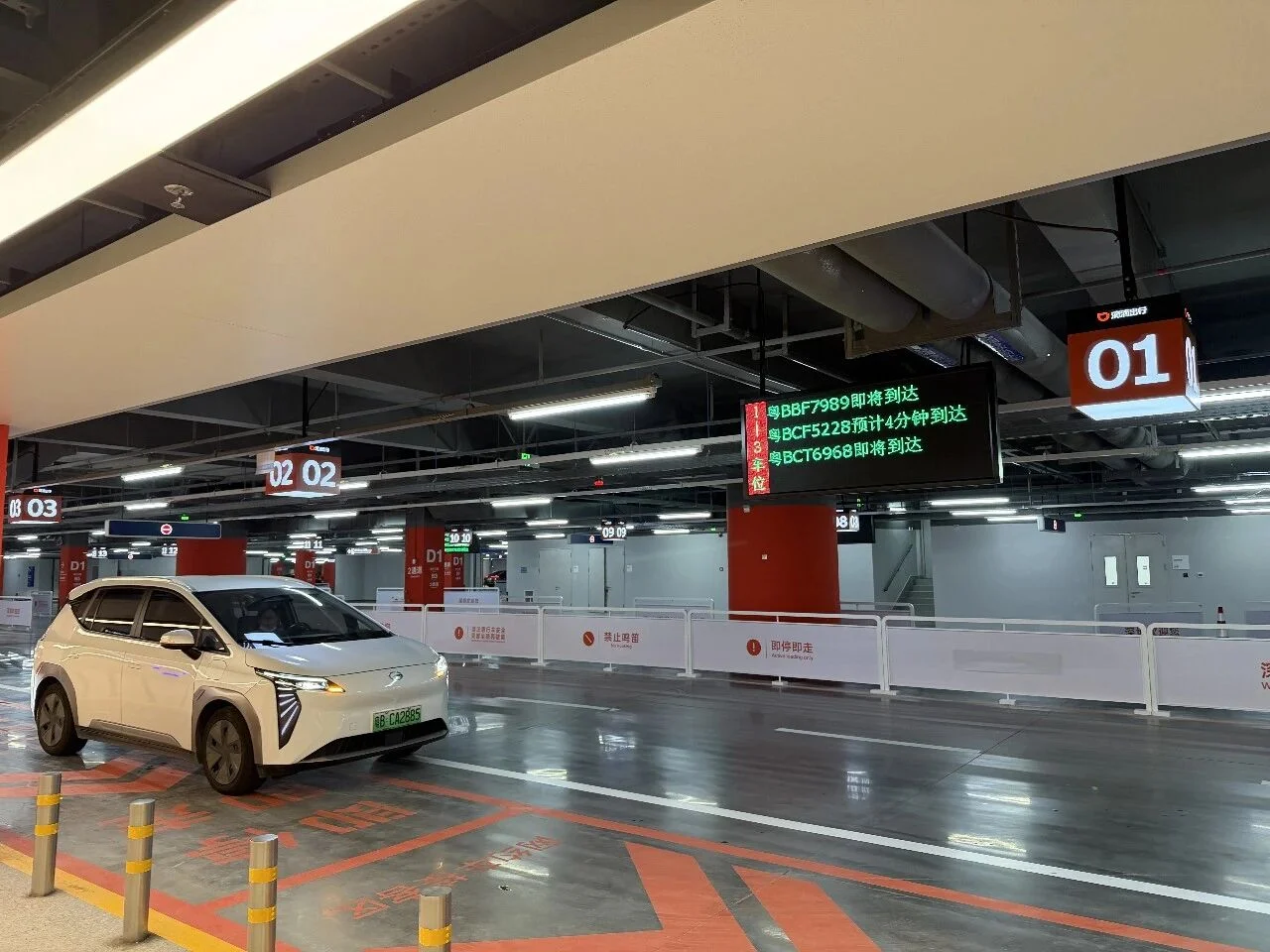
Once a driver accepts the order, the system automatically assigns a waiting bay in the zone, and large screens in the waiting hall show the vehicle’s estimated arrival time in real time. What makes waiting hard is rarely the wait itself, but not knowing how much longer it will be. These screens give passengers that number.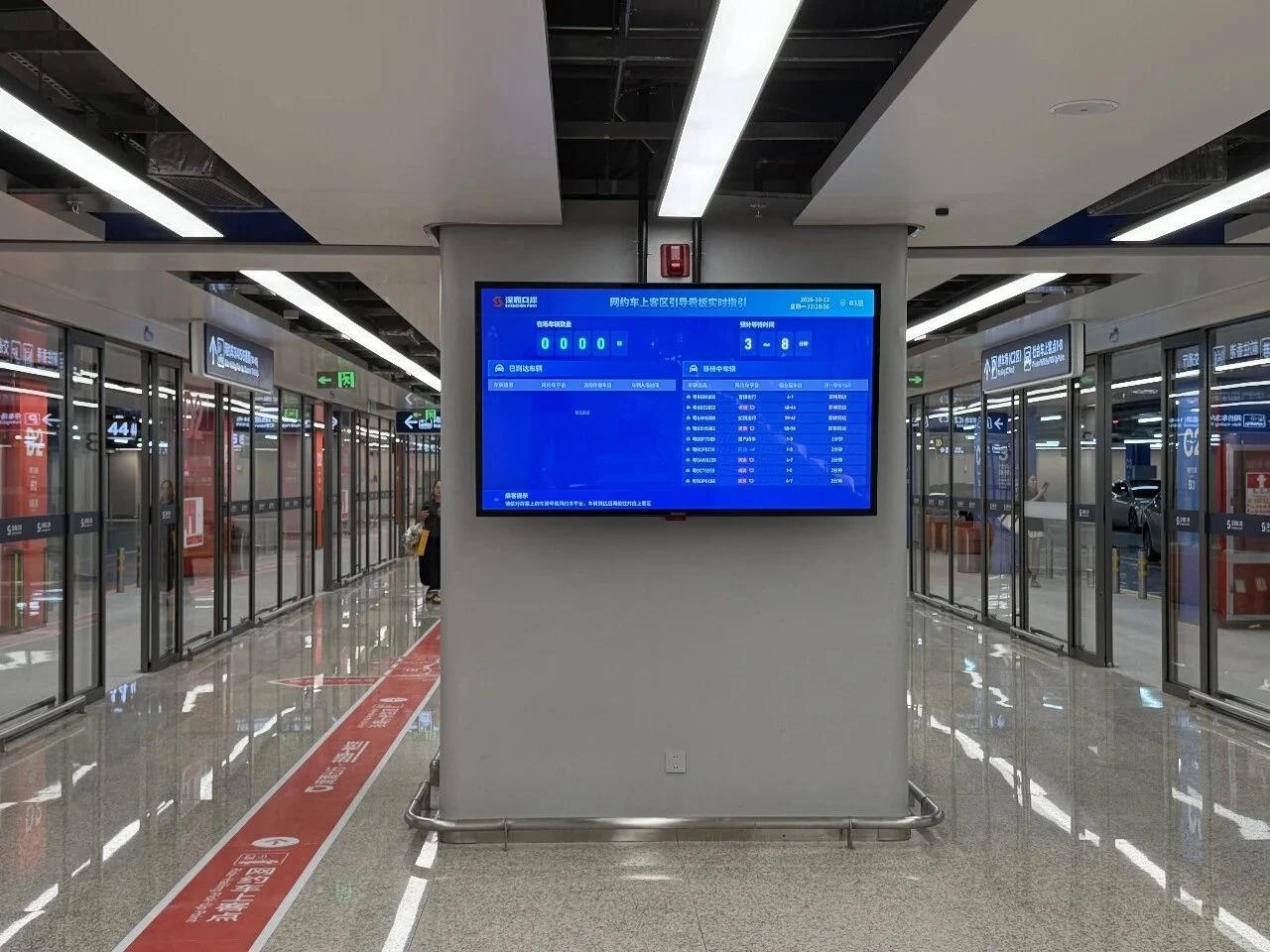
03 | Online Verification and Bay Guidance
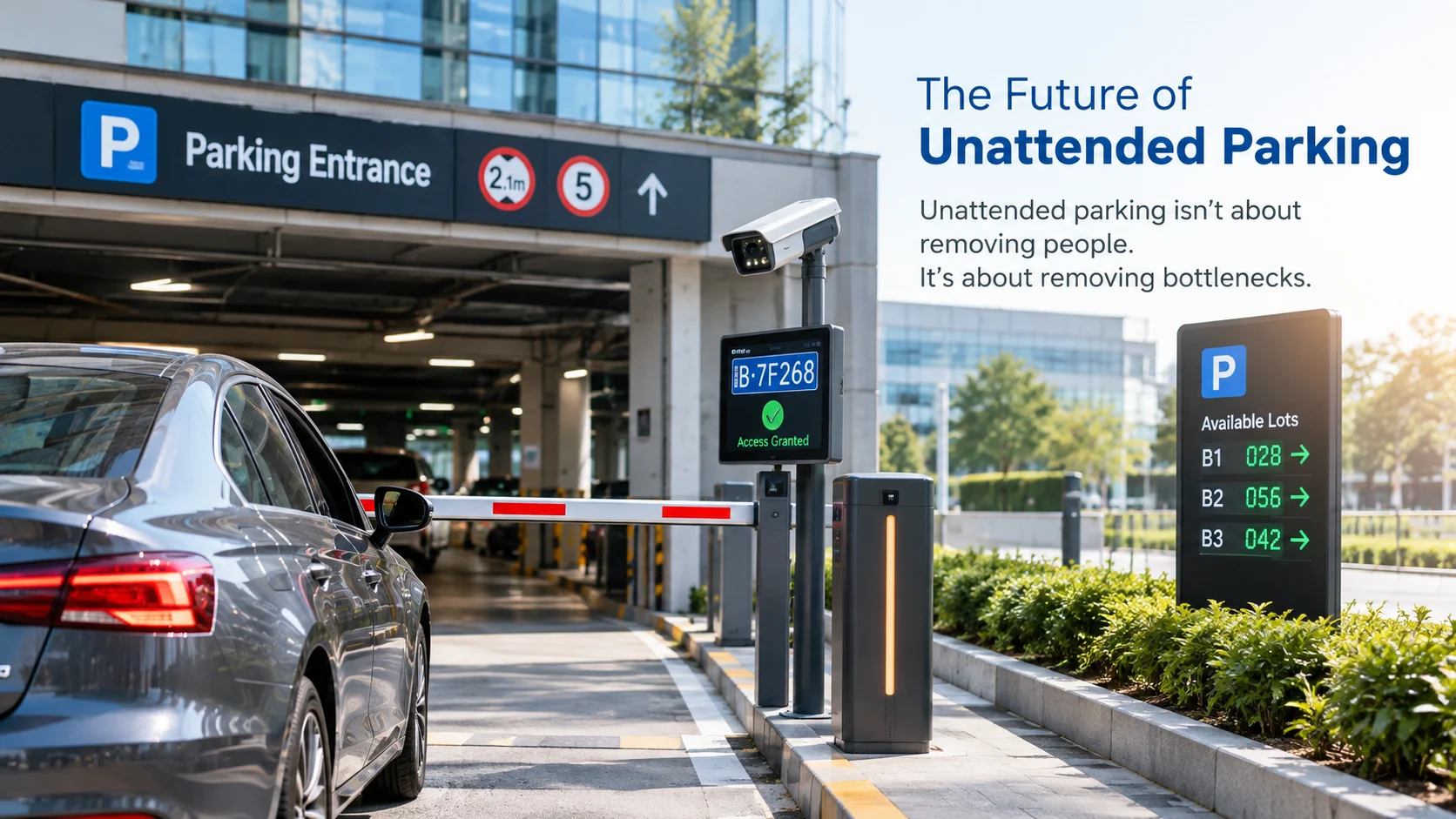
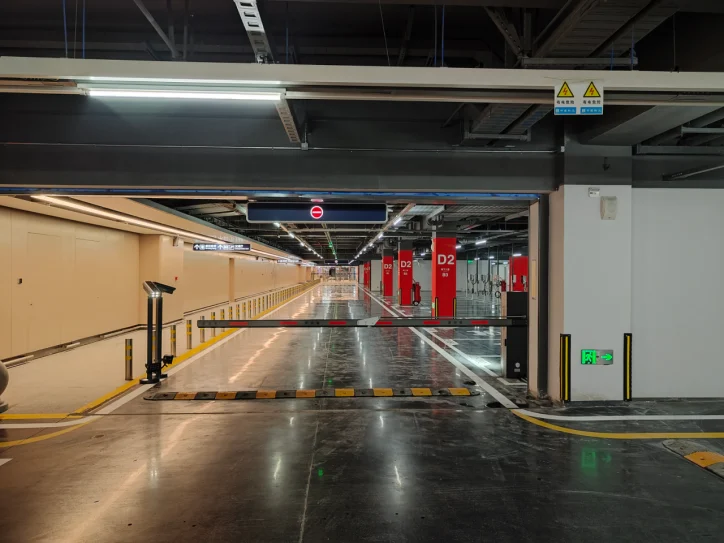
Following the navigation route, the driver enters the dedicated B3 ride-hailing area. At the first gate at the entrance, the system completes online authorization checks automatically, and the barrier opens once verification passes. A display at the entrance shows traffic guidance and the assigned bay, so drivers don’t have to circle around looking for a spot.
After the vehicle parks in its assigned bay, screens in the waiting area continuously update its actual status, letting passengers see clearly whether their car has arrived. Once the passenger boards, the vehicle leaves the zone in an orderly manner, and the pickup is complete.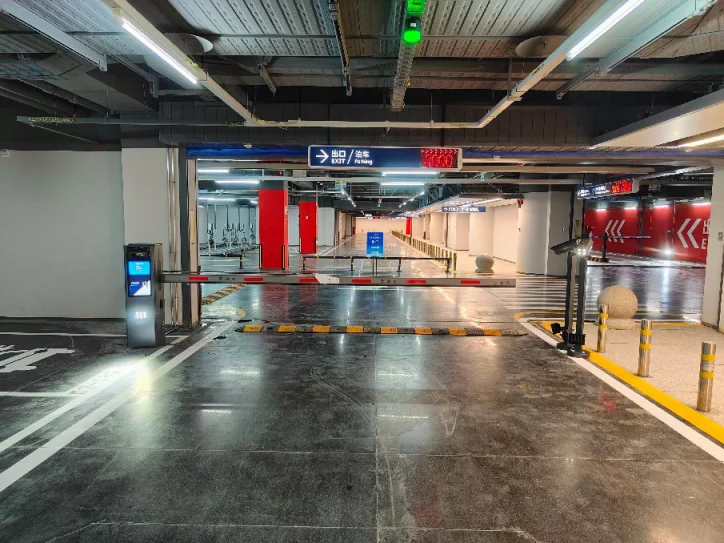
04 | 24-Hour Clearance: A Major Test for the Station
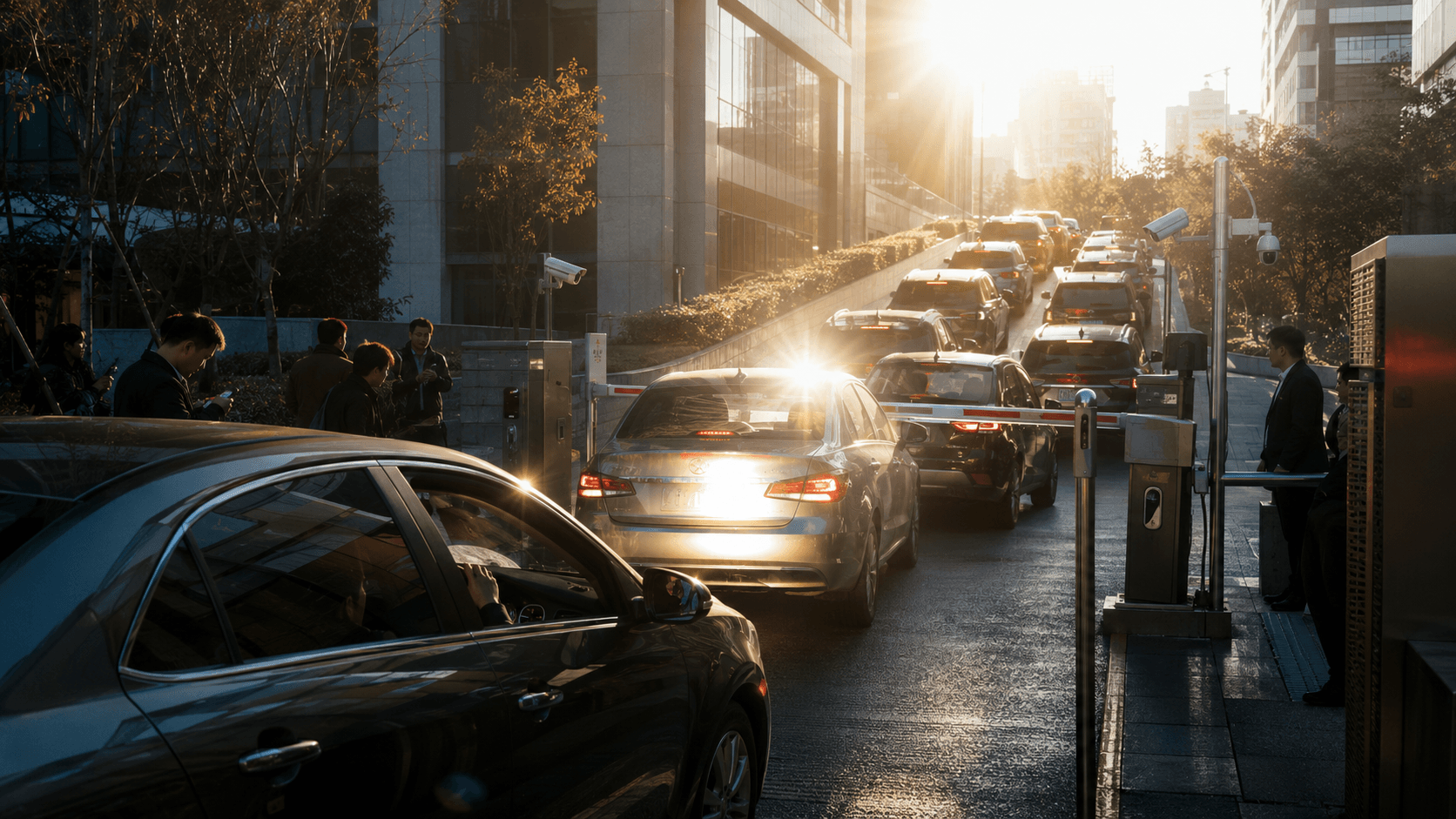
According to CCTV, the new Huanggang Port handles about 200,000 passenger crossings per day, with a maximum design capacity of 300,000. Round-the-clock clearance places high demands on the stability and concurrency handling of the pickup facilities: they must withstand daytime peaks and keep up with overnight service as well.
Drawing on the port’s around-the-clock operating conditions, fujicasystem has integrated barrier gates, vehicle recognition, bay dispatching, and information display screens into a single system. Digital tools keep vehicle flow in the zone orderly, reduce aimless cruising and congestion, and improve turnover, helping the facility handle heavy crowds at night and during holidays.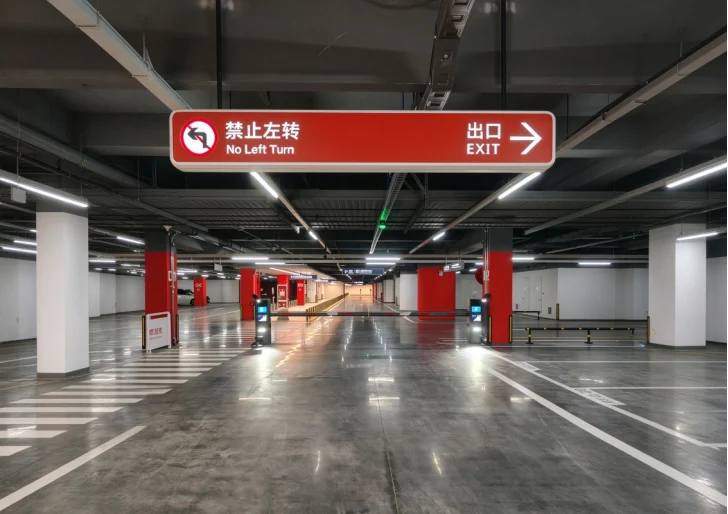
05 | The Pickup Solution: More Places to Apply It
The full opening of Huanggang Port adds another channel for travel between Shenzhen and Hong Kong. The B3 ride-hailing smart pickup system is one example of how a smart-station solution can be applied at an urban transport hub.
From ports to airports, high-speed rail stations, and large campuses, connecting people and vehicles comes down to the same problem: how to make “where are you?” something that no longer has to be answered out loud. If your site faces a similar challenge, we’d love to hear from you!

October 23, 2026
October 23, 2026